
Repair · Restore · Preserve
Hardwood Floor Repairs, Restoration And Maintenance
Board replacement, weave-in repairs, water-damage evaluation, historic restoration and maintenance work begin with the same question: what caused the condition in the first place?
How Endurance Approaches The Work
A Visible Problem Is Evidence. It Is Not The Diagnosis.
A dark board, open gap, raised edge or worn finish can point to very different conditions. Endurance traces the problem back to moisture, movement, installation, material failure or finish wear before deciding what should actually be repaired.
Sometimes the right answer is a small board replacement. Sometimes the floor needs time to dry. Sometimes a maintenance coat can restore protection without removing usable wood. The objective is not to make the symptom disappear for a few months. It is to understand the floor well enough to choose the least destructive repair that solves the real problem.
Why Experience Changes The Work ↗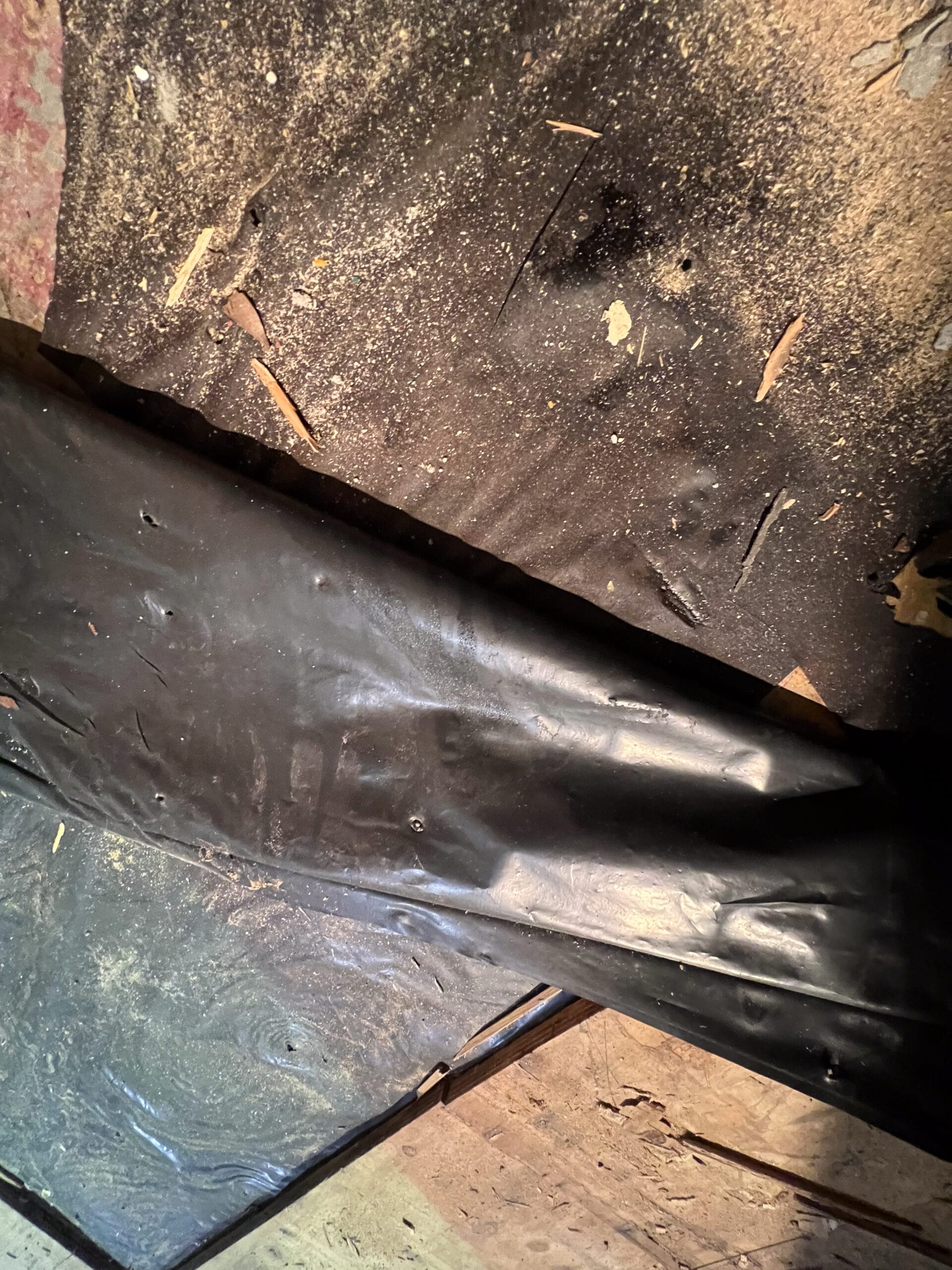
Start Below The Surface
The Repair Has To Respect What Supports The Floor
Hardwood moves because the environment moves. Before boards are cut out or sanders are brought in, the subfloor, moisture conditions and surrounding materials need to make sense.
Cupping, crowning, gapping and buckling are not interchangeable problems. Moisture mapping, site history and the shape of the distortion help determine whether the floor should dry, be repaired, be replaced locally or be refinished after the underlying condition has stabilized.
What The Work Can Include
Repair What Failed. Preserve What Still Belongs.
Restoration is not one standardized treatment. The amount of intervention should match the condition, the construction of the floor and the amount of original material worth saving.
Board Replacement And Weave-In Repairs
Damaged boards can often be extracted and replaced without dismantling the surrounding floor. The replacement has to fit the existing floor mechanically before color and finish work can make it feel visually continuous.
Water-Damage Repair
Water damage needs sequence, not speed. Evaluation and drying come before replacement or refinishing, because working too early can lock a temporary condition into a permanent repair.
What Happens After Water Damage ↗Historic Floor Restoration
Older floors can include thin wear layers, old-growth lumber, obsolete milling, wax, shellac and decades of previous repairs. The goal is to retain the character that makes the floor worth restoring while correcting the work that threatens its future.
Maintenance, Clean And Recoat
When wear is still limited to the finish, a full sanding may remove more wood than the floor needs. Cleaning, controlled abrasion and a compatible maintenance coat can renew protection with substantially less disruption.
Screen, Recoat, Resurface Or Refinish? ↗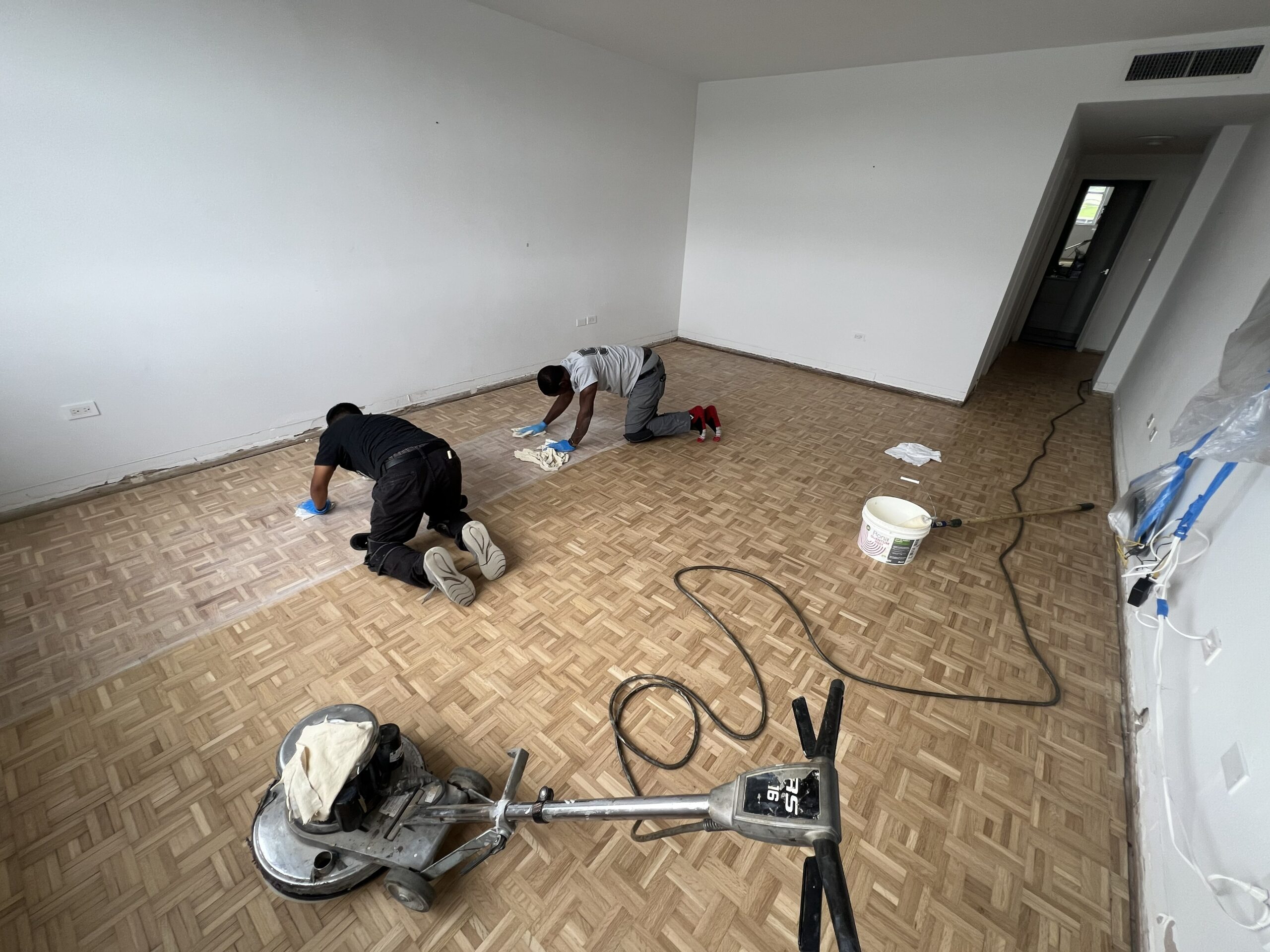
Preserve Before You Replace
Not Every Worn Floor Needs To Be Sanded To Bare Wood
The existing finish, wear pattern, remaining wood and desired result determine whether the floor needs a maintenance coat, localized repair, full sanding or a more extensive restoration.
Explore Sanding And Refinishing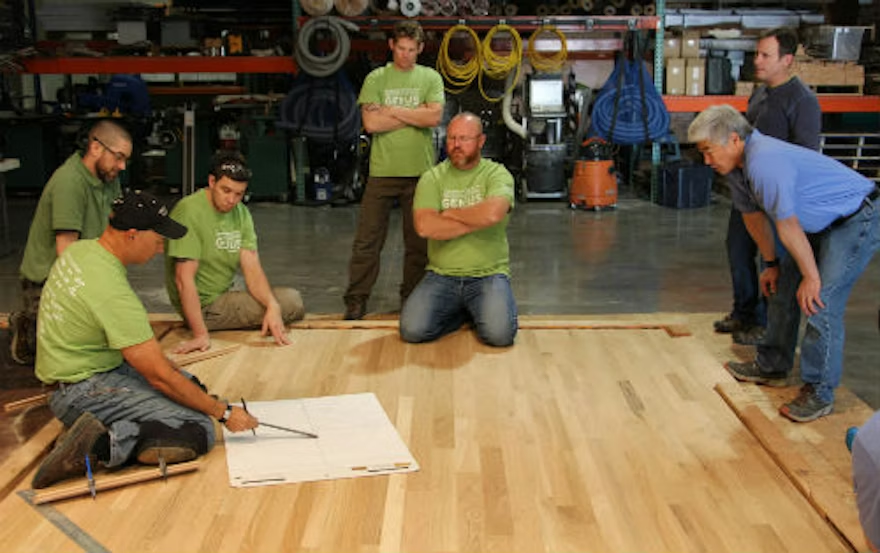
Historic And One-Off Work
Some Repairs Have To Be Made, Not Ordered
Historic patterns, unusual borders and discontinued dimensions do not always have a replacement part waiting on a shelf.
Endurance combines restoration experience with fabrication knowledge so missing material can be matched, shaped or recreated when the floor requires it. That is especially important when the surrounding floor carries design, age or craftsmanship that should not be erased just to simplify the repair.
See Endurance Custom Floor Work ↗The Repair Sequence
Diagnose → Stabilize → Match → Blend
The exact schedule changes with the floor, but the order matters. First identify the cause. Then stabilize active moisture or movement. Match material only after the floor is ready for intervention. Repair and finishing come last, when the work has a realistic chance of staying repaired.
Understand The Work
Useful Reading Before You Decide What The Floor Needs
Start With The Actual Floor
Show Us What The Floor Is Doing
Share the space, the condition and what you want to change. Endurance can help determine whether the right starting point is repair, drying, maintenance, refinishing or restoration.