
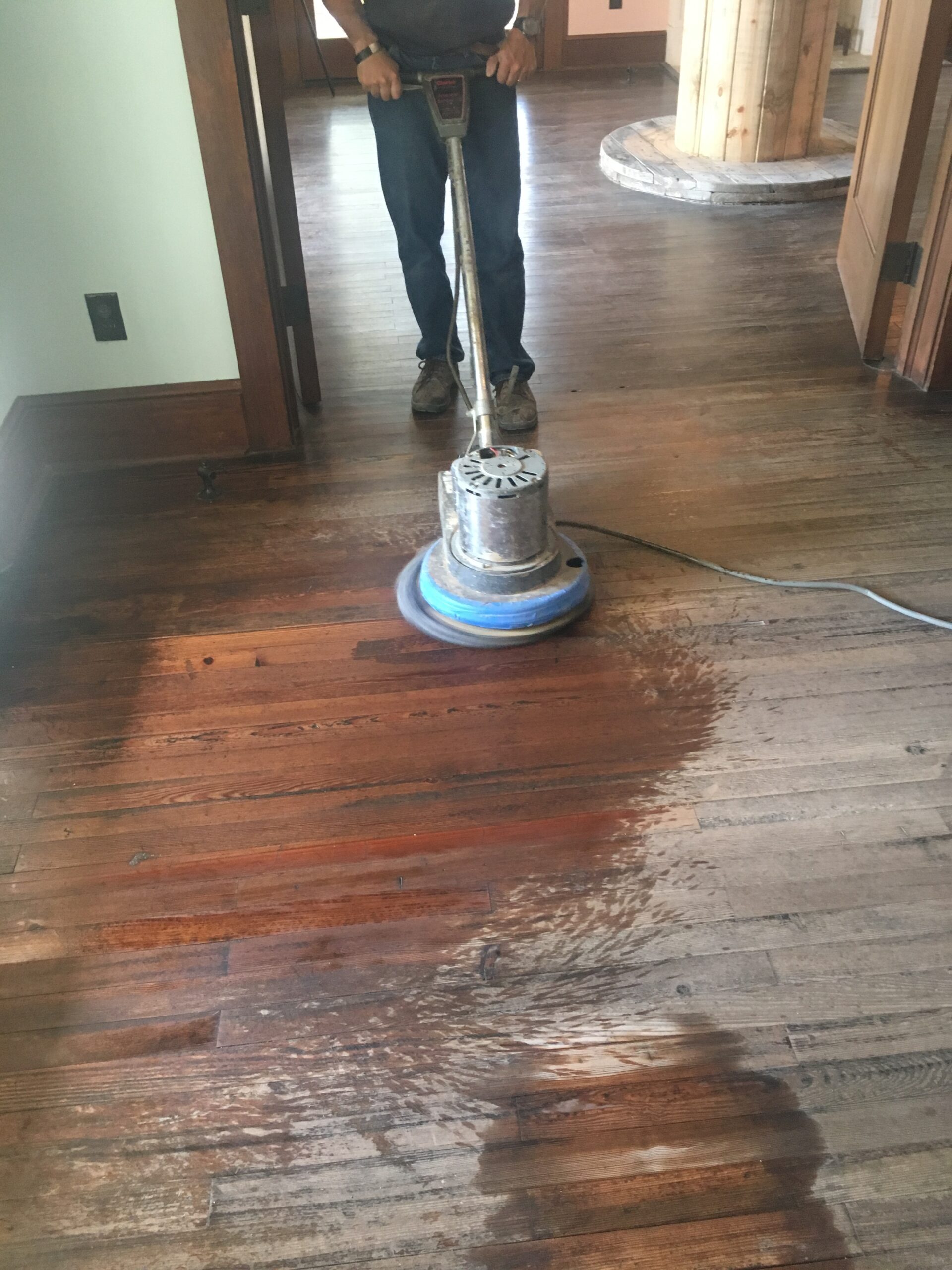
Hardwood Floor Sanding · Staining · Finishing
Hardwood Floor Sanding And Refinishing That Preserves The Floor
A beautiful surface is the visible result. Protecting the wood floor’s remaining life is the deeper responsibility.
Good Stewardship Of The Wood
Beautiful Is Only Half The Job
Endurance Floor Company’s sanding and finishing process not only leaves a beautiful floor, it continues our tradition of being good stewards of the wood floor’s long life cycle.
Refinishing should remove failed coatings, shallow surface damage, and irregularities without sacrificing sound wood that the floor may need decades from now. That is why the process begins with evaluation and protection, not the most aggressive sandpaper available.
Every decision is connected. Board repairs affect the sanding sequence. Abrasives affect color acceptance. Cleaning affects adhesion. Film thickness, drying time, and curing time affect how the finish performs after the furniture comes back.
Protect The Home
Floor coverings, openings, cabinets, and fixtures are protected before equipment begins moving through the work area.
Preserve The Wood
The first abrasive is the least aggressive grit capable of cleaning the surface and addressing slight damage.
Build The Finish
A sealer coat and three full finish coats are applied to manufacturer film thickness specifications.
Before The Sanding Equipment Starts
The Protection Plan Is Part Of The Floor Work
Sanding and refinishing does not happen in an empty vacuum. Equipment, hoses, abrasives, cords, and foot traffic move through the property. Endurance plans for that movement before the first pass.
Protect Other Floor Coverings
Existing floor coverings along access routes and staging areas are protected from foot traffic and equipment movement.
Contain Openings
Plastic barriers are installed in openings that are not being serviced to separate active work from the rest of the property.
Cover Cabinets And Fixtures
Cabinets and light fixtures are covered. Cabinets also receive an additional layer of Ram Board to protect against incidental contact.
Resolve Loose Or Broken Boards
On older floors, loose or broken boards are discussed before final sanding. Endurance explains the issue and offers a workable repair solution.
Dust Captured
HEPA Filtration Dust Extraction
A Cleaner Process, Explained Honestly.
Endurance uses HEPA filtration dust extractors that capture between 95 and 98 percent of the dust created during the sanding process.
The remaining residual dust is minimal and primarily comes from hand work along edges, corners, and other detailed areas where large dust-connected sanding equipment cannot reach.
Understand Dust Containment In Detail ↗The Sanding Sequence
Remove What Failed. Keep The Life In The Floor
The goal is not to grind every floor into submission. It is to reach clean, uniform wood while leaving as much usable material as the floor allows.
Read The Existing Floor
Previous finish, wood species, surface damage, flatness, board condition, and evidence of earlier sanding shape the starting plan.
Begin With The Least Aggressive Abrasive That Works
The opening grit is selected to clean away the old finish and slight surface damage without removing more sound wood than necessary.
Progress Through Finer Abrasives
Each successive grit removes the sanding pattern left by the previous pass and moves the floor toward a smooth, uniform surface.
Hand-Work Edges, Corners And Difficult Areas
Areas beyond the reach of field equipment are blended carefully so the perimeter and open field read as one surface.
Thoroughly Prepare The Worksite
Dust and sanding residue are removed before color or finish is introduced. Cleanliness at this stage supports appearance and adhesion.
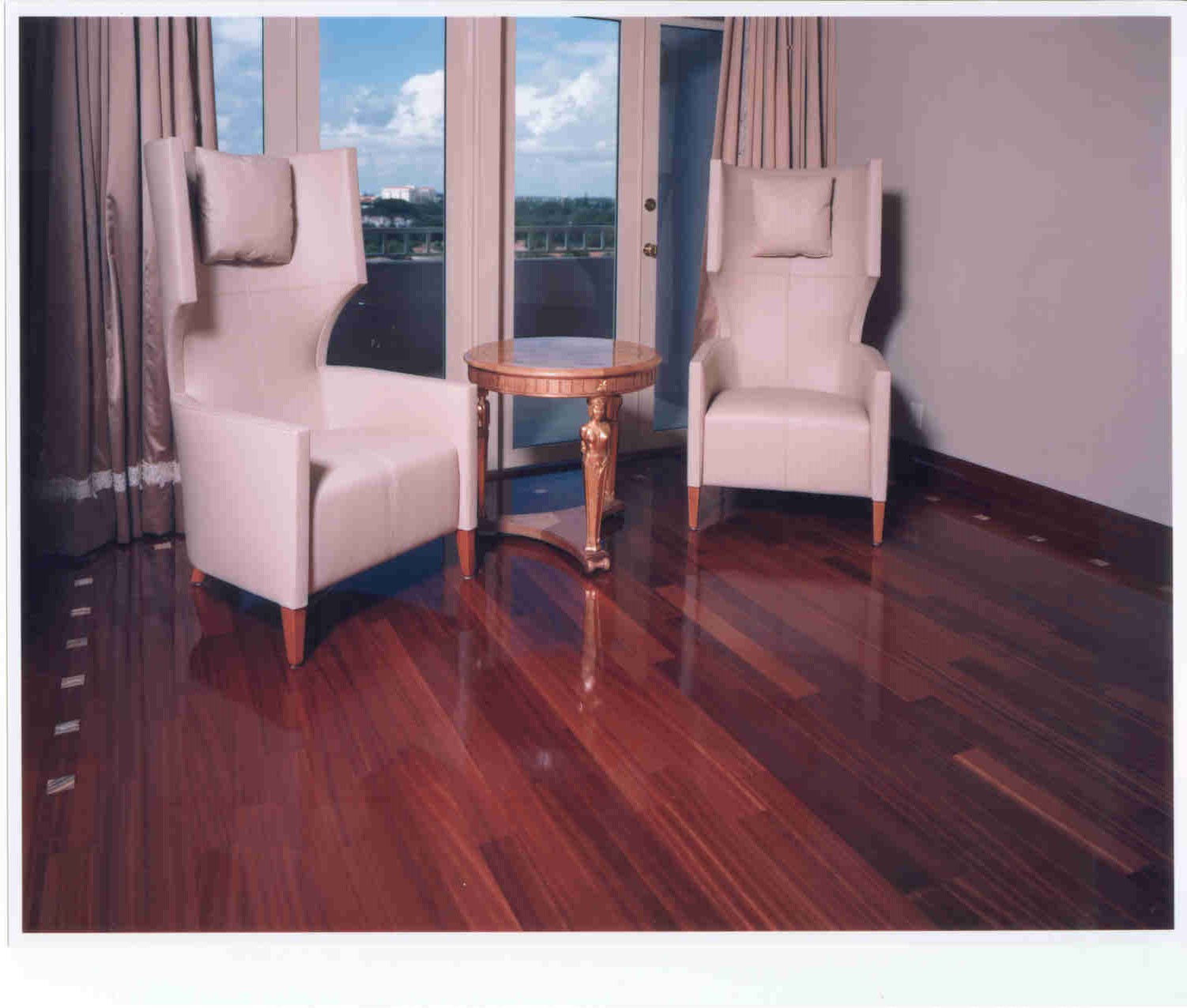
Color And Tone
Reactive, Stained Or Natural.
After the final sanding sequence and a thorough worksite cleaning, the floor is ready to receive a reactive treatment, a stain, or a natural finish tone.
The right direction depends on the wood species, existing architecture, surrounding materials, lighting, and the way the client wants the grain to read in the finished room.
Compare Hardwood Finish Systems ↗The Complete Coating System
One Sealer. Three Full Finish Coats.
Endurance does not skimp on coating applications that can wear out under normal use.
We apply a sealer coat and three full finish coats according to manufacturer film thickness specifications. Proper drying and curing times are observed between coats because additional material is not useful if it is applied before the system is ready.
The complete process leaves a beautiful, durable floor ready for years of enjoyment.
Applied To Manufacturer Film Thickness Specifications With Proper Drying And Curing Time Between Coats.
The Endurance Refinishing Process
From Protected Worksite To Finished Floor.
Project conditions change. The discipline behind the sequence does not.
Evaluate
Review the floor, existing finish, repairs, access, adjoining surfaces, and project conditions.
Protect
Cover access floors, close openings, protect fixtures, and reinforce cabinet protection with Ram Board.
Repair
Discuss loose or broken boards and complete agreed repairs before the floor reaches final sanding.
Sand
Begin with the least aggressive effective abrasive, then progress through successively finer grits.
Color
Prepare the clean wood for a reactive treatment, stain, or natural finish tone.
Seal And Finish
Apply one sealer and three finish coats with the required film build, drying time, and curing time.
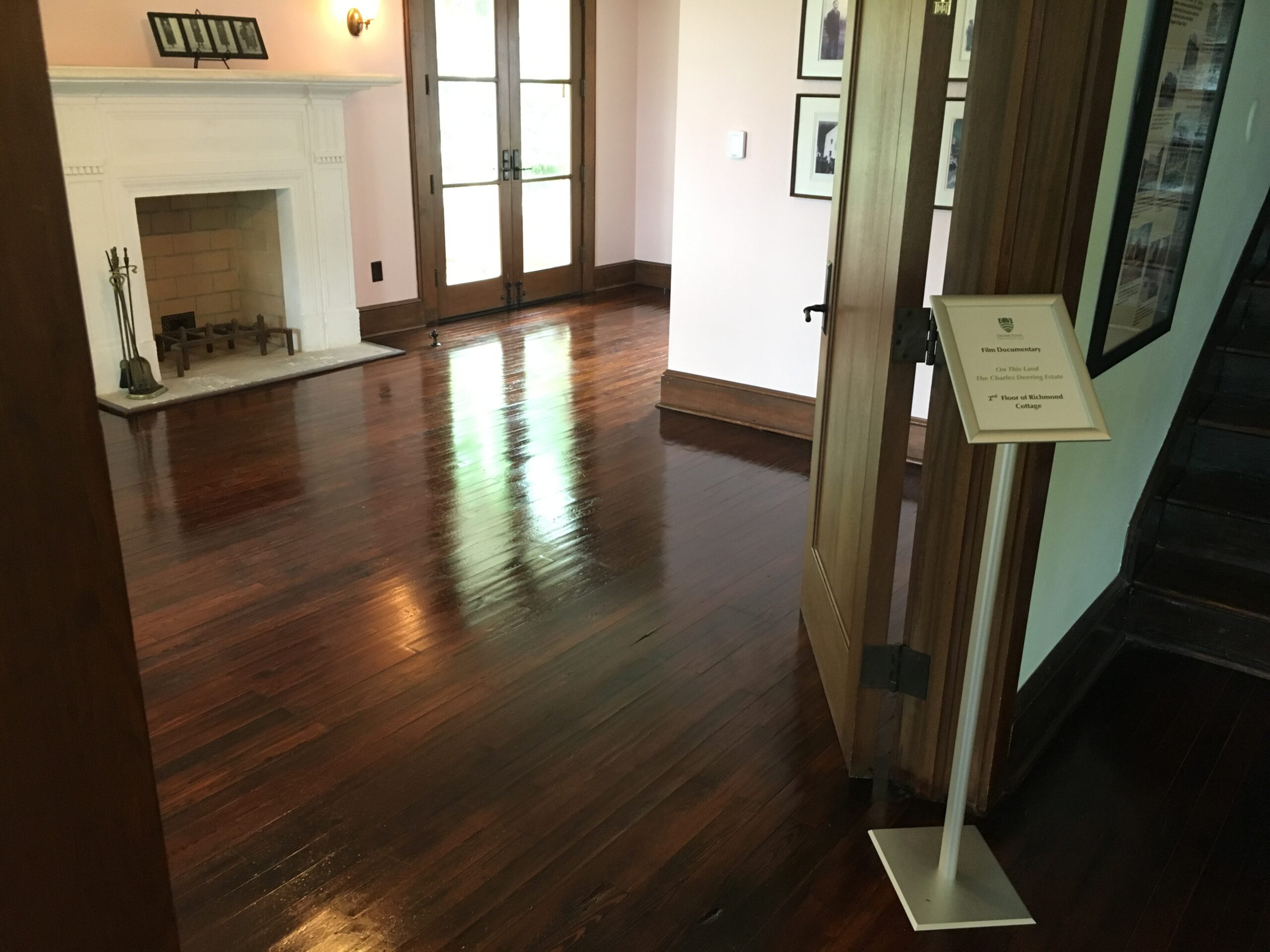
The Finished Surface
Beauty You See. Life Left In The Floor.
The best refinishing result should look complete today without ignoring what the floor may need tomorrow.
Sanding And Refinishing Questions
What Clients Should Know Before The Work Begins
A clear process begins with honest expectations about dust, repairs, wood removal, finish build, and cure time.
How Much Dust Does The Sanding Process Create?
Endurance uses HEPA filtration dust extractors that capture between 95 and 98 percent of the dust created. A minimal amount of residual dust can come from hand work along edges, corners, and detailed areas.
Does Refinishing Remove A Lot Of Wood?
Endurance begins with the least aggressive sandpaper capable of removing the old finish and slight surface damage. The purpose is to reach a clean, uniform surface while leaving the floor with as much remaining life as possible.
What Happens If Boards Are Loose Or Broken?
Loose and broken boards on older floors are evaluated and discussed before final sanding. Endurance will explain the issue and offer a workable repair solution based on the floor’s construction and condition.
Can The Floor Be Stained Or Left Natural?
Yes. After final sanding and cleaning, the floor may receive a reactive treatment, a stain, or a natural finish tone. The wood species, room, lighting, and desired appearance guide the choice.
How Many Coats Does Endurance Apply?
Endurance applies one sealer coat and three full finish coats according to the finish manufacturer’s film thickness specifications, with proper drying and curing times between coats.
Connected Floor Work
Some Floors Need More Than Refinishing.
Board damage, movement, missing material, and historic details may require repair or restoration before the final surface can be completed correctly.
Repairs, Restoration And Maintenance
Loose boards, weave-in repairs, damaged sections, historic floors, and maintenance work that protects what can still be preserved.
Explore Repairs And Restoration ↗ Related ServiceStairs And Custom Treads
Sanding, restoration, custom treads, risers, and nosings that connect the staircase to the surrounding hardwood.
Explore Stair Work ↗Start With The Existing Floor
Let The Wood Tell Us What It Needs.
Share photographs, the floor’s approximate age, its current condition, and what you want to change. Endurance will help identify the right starting point.